
Balen Shah Takes Oath as Nepal’s Prime Minister, Unveils New Cabinet
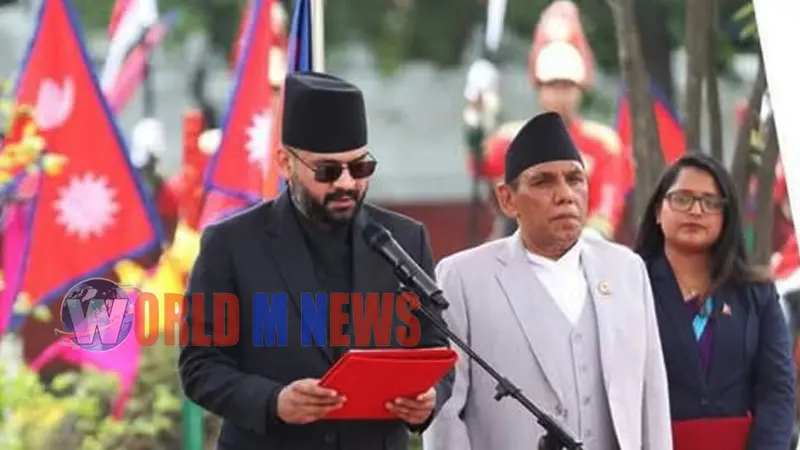
Kathmandu : A new chapter in Nepal’s political journey began as Balendra Shah, widely known as Balen Shah, officially assumed office as the Prime Minister. The oath-taking ceremony, held amid national attention, marked a significant shift in leadership and raised fresh expectations among citizens.President Ram Chandra Poudel administered the oath of office and secrecy to Prime Minister Balendra Shah at a formal ceremony attended by senior political leaders, government officials, and distinguished guests.Soon after taking charge, Prime Minister Shah announced his cabinet, bringing together a mix of experienced leaders and fresh faces. The new team reflects his intent to balance political experience with new energy, signaling a focus on reform and effective governance.
In his brief remarks following the ceremony, Shah emphasized transparency, accountability, and public service as the core priorities of his administration. He expressed commitment to addressing long-standing challenges, improving service delivery, and strengthening public trust in government institutions.The formation of the new cabinet is expected to play a crucial role in shaping policy direction and accelerating development efforts. Observers note that the coming weeks will be critical as the new leadership begins to outline its agenda and take initial decisions.With public expectations running high, all eyes are now on how the new government will navigate political dynamics while delivering on its promises of change and progress.
The 35-year-old rapper-turned-politician will also be the first person from the Madhes region to hold the top executive post in the country. Nepal chose former Kathmandu mayor Balendra Shah, popularly known as Balen and his RSP to form the next government, decimating the traditional parties in the first general elections since last year’s violent Gen Z protests that sought generational change and a corruption-free regime.The RSP that had projected Balen as the prime ministerial candidate secured a massive 182 seats out of a total of 275 seats in the House of Representatives. Of the 275 members of the House of Representatives, 165 are elected through direct voting and 110 through proportionate voting.Balen defeated four-time prime minister K P Sharma Oli in Jhapa-5 constituency, a long-standing stronghold of the Communist Party of Nepal (Unified Marxist-Leninist), by a huge margin.